
On the paradox of self-reliance, and how to balance personal resilience with community support
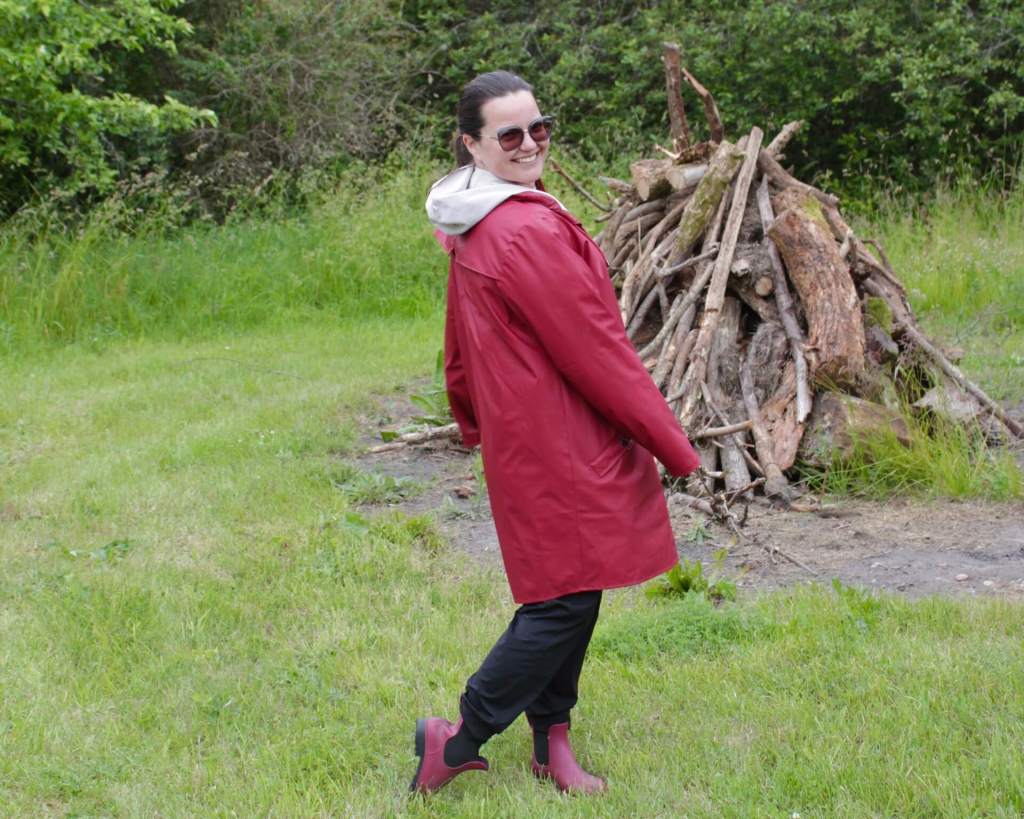
This is an abridged version of my fourth and final article in a series about living a Self-Reliant Life. In this article, I reflect on how to balance independence with seeking connection and asking others for help. Please read the full article over on my Substack.
Is asking for help compatible with living a self-reliant life?
In this fourth and final part of my Self-Reliant Life series, I explore something that might seem contradictory: how learning to ask for help has actually strengthened my independence and NOT weakened it.
Self-reliance is NOT isolation
For most of my life, I’ve valued independence. As an only child who has managed much of adulthood solo – emotionally, professionally, and financially – I’m used to figuring things out on my own.
But lately, I’ve come to understand that self-reliance isn’t about doing everything alone. In fact, it’s precisely because we have emotional, intellectual, or practical support that we’re able to lead bold and creative lives. The solidarity of people who share our values helps us stay true to ourselves, especially when the world feels out of sync.
Why asking for help feels SO hard
Even though I love helping others, from reviewing pitches to connecting contacts or brainstorming ideas, I often hesitate to ask for the same in return. Why?
Some of my psychological blocks appear to be:
- Vulnerability feels like weakness
- I don’t want to be a burden
- I fear rejection, criticism, or looking stupid
- I take pride in being self-sufficient
These barriers are personal, but also cultural – especially in work settings, where asking for help is sometimes wrongly seen as a sign of failure.
Read my earlier post reflecting on my core value of peace, and how difficult it is to stick to it when the rest of the world seems so at odds.
Reframing help as strength
To challenge this belief, I’ve been running a simple experiment: asking someone for help every day. Whether it’s feedback on my website or tips for using a new musical instrument, the experience has been humbling and (surprisingly) liberating.
A quote from Stoic philosopher Marcus Aurelius has been guiding me:
“Don’t be ashamed to need help. Like a soldier storming a wall, you have a mission to accomplish. And if you’ve been wounded and need a comrade to pull you up? So what?”
MArcus Aurelius
It’s a powerful reminder that needing help is not a flaw. It’s a fact of life. Even ancient Stoics believed in mutual support.
Key takeaways
- Self-awareness is part of self-reliance. Knowing your limits helps you grow.
- Connection is essential. We thrive through interdependence.
- Vulnerability creates opportunity. Asking for help often leads to deeper insight, creativity, and connection.
- Strength is not solitary. Relying on others when needed is a form of resilience.
Final reflection
Asking for help is not a weakness. It’s an act of clarity, peace, and strength. It lets us grow, rest, and keep moving forward together.

